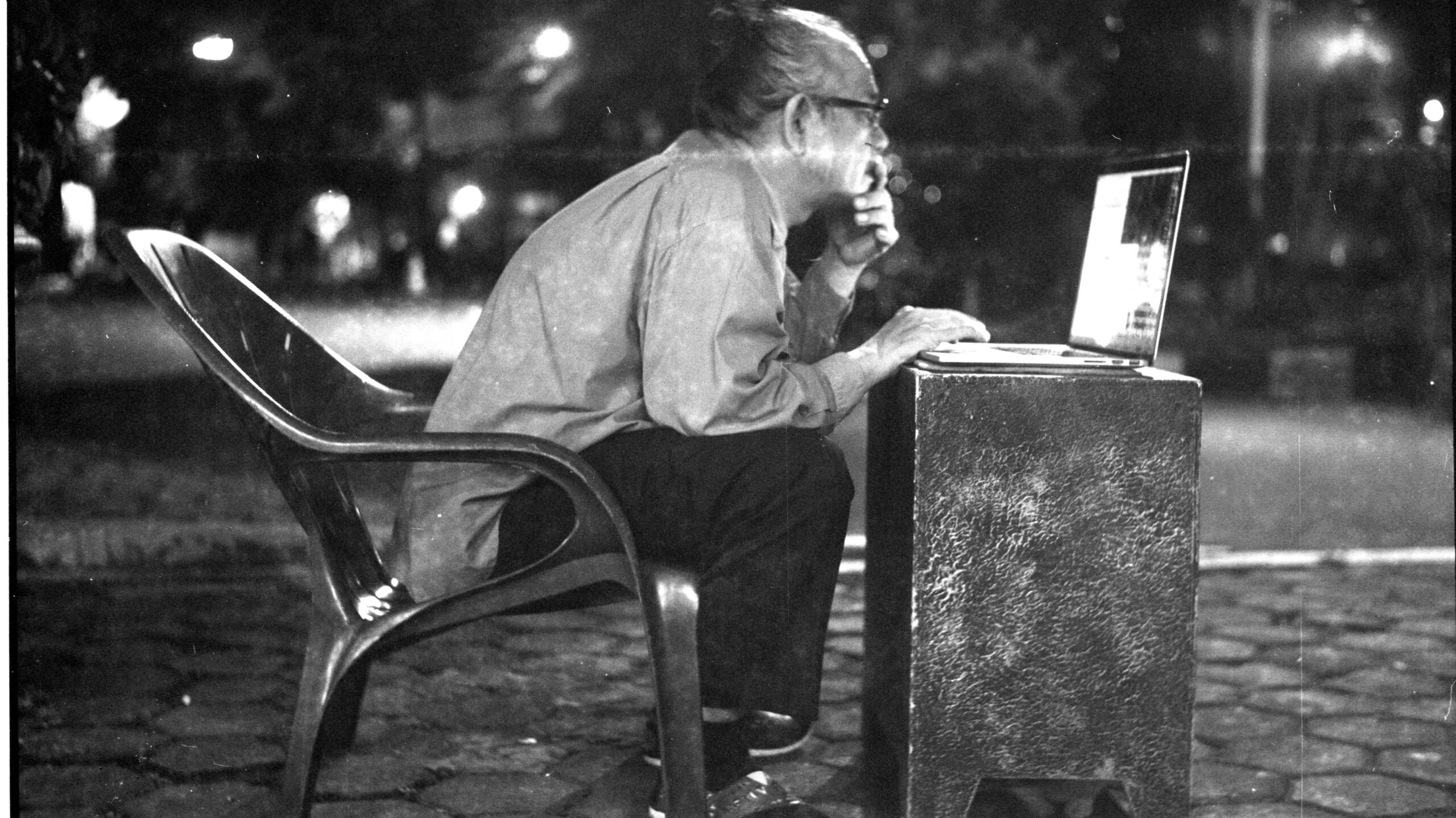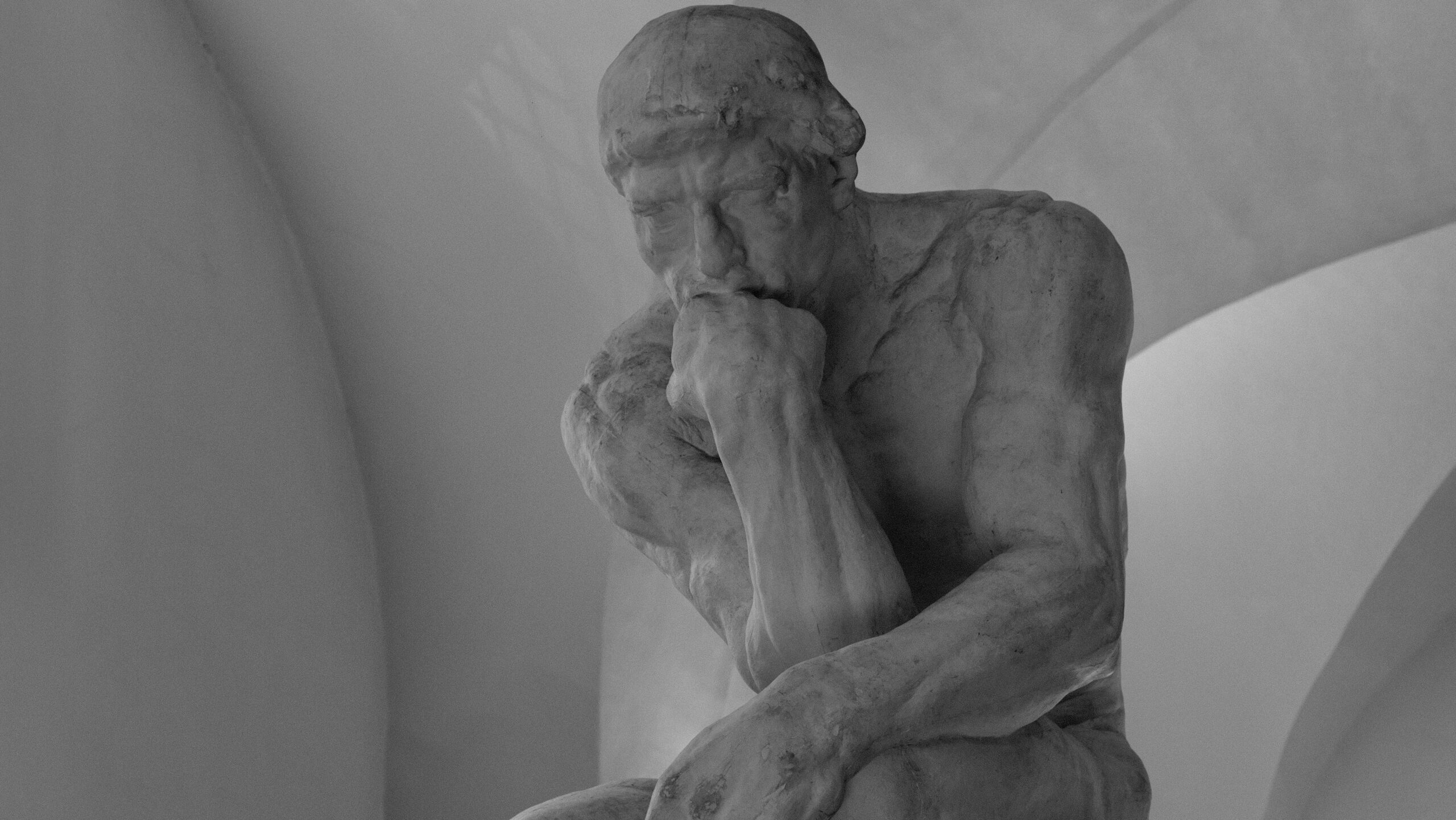
A while back I posted a video about the things that retirees who are happy seem to practice in common. One of those things was the simple act of reflection. Our busy lives often prevent us from making time for reflection, otherwise referred to as “introspection. This is the act of looking inwards to examine one’s own conscious thoughts and feelings. My own personal experience after only a few years of retirement has made me realize that consistent introspection is a necessary practice for us if we want to avoid falling into the “drift” that so much free time tends to lead us toward.
It’s easy to put things off for another day, but I have to remind myself that the days I have left are limited and each passing one may be a missed opportunity. I’m constantly confronted with the attitude of other retirees that they’re “done” with pressuring themselves to be productive, and that they’ve earned and deserve the right to just relax. My take on that attitude is that if I adopt it, then I will, in fact, like them, be “done”. And I don’t want that for myself. I hope I’m never “done”. I equate that to “throwing in the towel”, or “raising the white flag”, or being just another fricken quitter.
Researchers have found that individuals who reflect to understand past events are able to enhance and add meaning to their lives. Furthermore, the process has been shown to have numerous benefits for problem-solving, mental health, and future planning. So that being the case, I think it’s worth pursuing this practice. It doesn’t have to be intense, or overly thorough either. Just intentional. In practising introspection, my goal would be to benefit from:
- Improved problem-solving. Researchers uncovered that “introspection improves problem solving performance, sometimes dramatically. Several studies suggest that self-observation, self-monitoring, and self-reflection play a key role in developing problem solving strategies.” Introspection can be used to break down the challenges we face so that we can better understand them. Reflecting on past experiences may help us to recall similar situations in which we either solved an issue or found our attempts fell short.
- Better mental health. By taking the time to reflect on your sources of stress, or the common causes of anxiety, you will be better placed to recognise when your mental health may be under pressure. When stress arises, feeling confident in practising introspection will allow you to remain focused and avoid succumbing to a negative thought cycle. Taking a solution-based approach, self-reflection can help avoid ruminating on a difficult situation, and instead use reflective practice to strive towards insight into how to overcome an issue or reach a goal.
- More self-compassion. Improving familiarity and knowledge of oneself will give you a better understanding of your thoughts, feelings and values. Ask “what” questions, such as “what is in my control?”, rather than “why” questions including “why do I feel so stressed?”. The “what” approach supports self-growth and the search for information, rather than increasing any sense of limitations you might have.
- Greater ability to confront fears. If you are fearful of making a decision or embarking on a solution, your personal growth may be stunted. Reflecting on and understanding where your fears come from can help you to allay or confront them. Some fears may even come from childhood, and recognising and confronting the source may help you to leave a deep-seated fear behind.
- Enhanced future planning. By practising introspection, you can review your personal performance to plan future development. If something went well, aim to do more of it. Conversely, in areas that have not been successful, consider adjustments that will ensure you avoid making the same mistake twice.
So if I can become competent at introspection/reflection, then I’d expect that it will help me listen more effectively, manage change better, and be better at clarifying both internal and external arguments. Something worth pursuing. So I’m all in.
In my next post, I’m going to discuss how I’m learning to practice “productive” introspection. I hope you’ll follow along. Until then, don’t be “done”.
Peace,
Gus