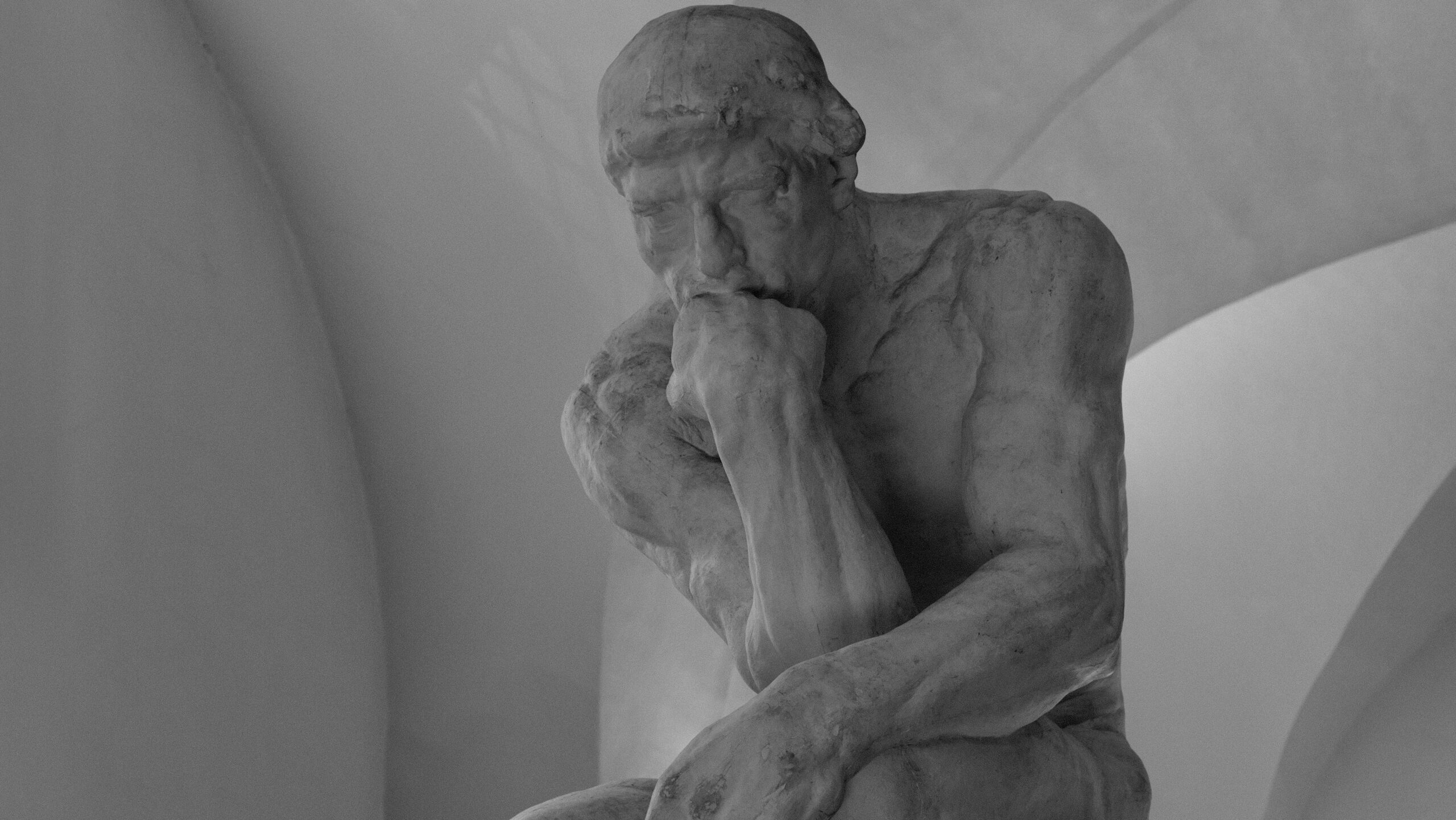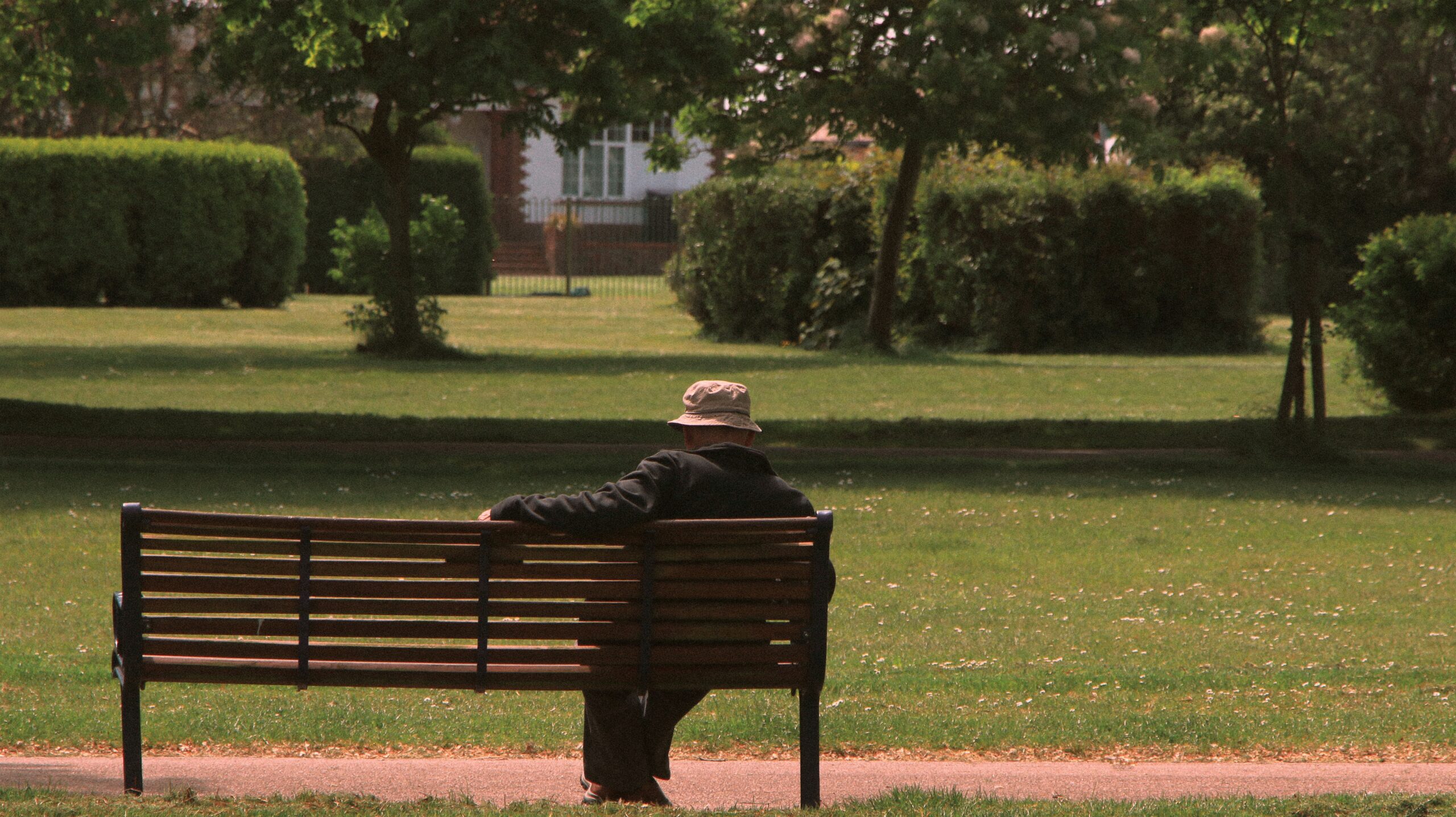
An Old Man can introspect the hell out of himself if he isn’t careful. By that I mean, he might get lost in too much of his own shit, so to speak. You don’t want to take yourself too seriously. But on the other hand, you do want to take seriously what’s going on in your own head, and try to make sense of it. Just don’t allow this practice of examining your mental or emotional processes to lead you to “rumination”. This is where you endlessly replay in your head negative thoughts or mistakes made. That will negatively impact your mental health. Your goal is to figure out how to achieve “productive” introspection, which will support your decision-making, self-compassion, and future planning.
As with most forms of self-reflection, your efforts will be most fruitful if you find a quiet space in which to explore your feelings privately and without distraction. For those with families, this might mean getting up before everyone else wakes to have uninterrupted time for yourself, or finding creative ways to acquire space such as going for a walk alone.
By journaling, you can increase your awareness of how you feel, privately articulate your feelings or needs, and feel more confident in expressing who you are or what you dream of. Documenting a stream of consciousness can feel liberating. At first, your thoughts may seem tightly controlled, but as you write more, you may be surprised at the subconscious thoughts that come to the surface.
It is also helpful to document and update your goals by writing your intentions in your journal. Answering questions about who you are, who you want to be, what you want in life, and which values you are aligned with can broaden your sense of self.
Finally, journaling is a great way to reflect not only on your present inner self, but your past self too. Looking back at entries from a year ago can boost your self-confidence and self-esteem, and help you notice patterns that you may want to explore further.
If you don’t enjoy writing at length, setting aside time for meditation offers an excellent opportunity to spend time with yourself while looking more deeply into your thoughts. By meditating, you may become more aware of your values and who you are, be able to reflect on past successes, and recognize bad habits that you could attempt to fix.
Taking a walk in nature is proven to be beneficial for those experiencing stress or anxiety. Although you can practice introspection when walking in a city, getting into the countryside or at least a park is a great way to clear your mind of internal noise. Put your phone on silent, and focus on the natural sounds, smells and vistas around you while practicing self-reflection.
Whichever method you choose, to make the most of the benefits of introspection it is important to reflect not only on your emotions, but on your behavior too. Consider which behaviors are a burden, and take steps to abandon them. Conversely, take action to initiate new, beneficial behaviors.
Introspection is an ancient practice that can benefit our modern lives. By knowing oneself, it is possible to better understand our feelings, behaviors, and how we can best cope with life’s challenges.
Retirement life is very different from our previous work life. I don’t know if I could have successfully “self-reflected” much while working, as I was always preoccupied with what was happening with employees, colleagues and clients. But now, in retirement, I really can focus on myself. In regularly practicing this form of self-reflection, it is possible to boost self-compassion, manage stress more effectively, and contemplate how we can shape our lives to become the best version of ourselves. I don’t know about you, but I think that this is the secret to “thriving” in retirement.
These blog posts have become my form of journaling. Let me know what you’ve been doing, and what’s been working for you. In the meantime, keep striving to be thriving. Be well!
Peace,
Gus